


Marble
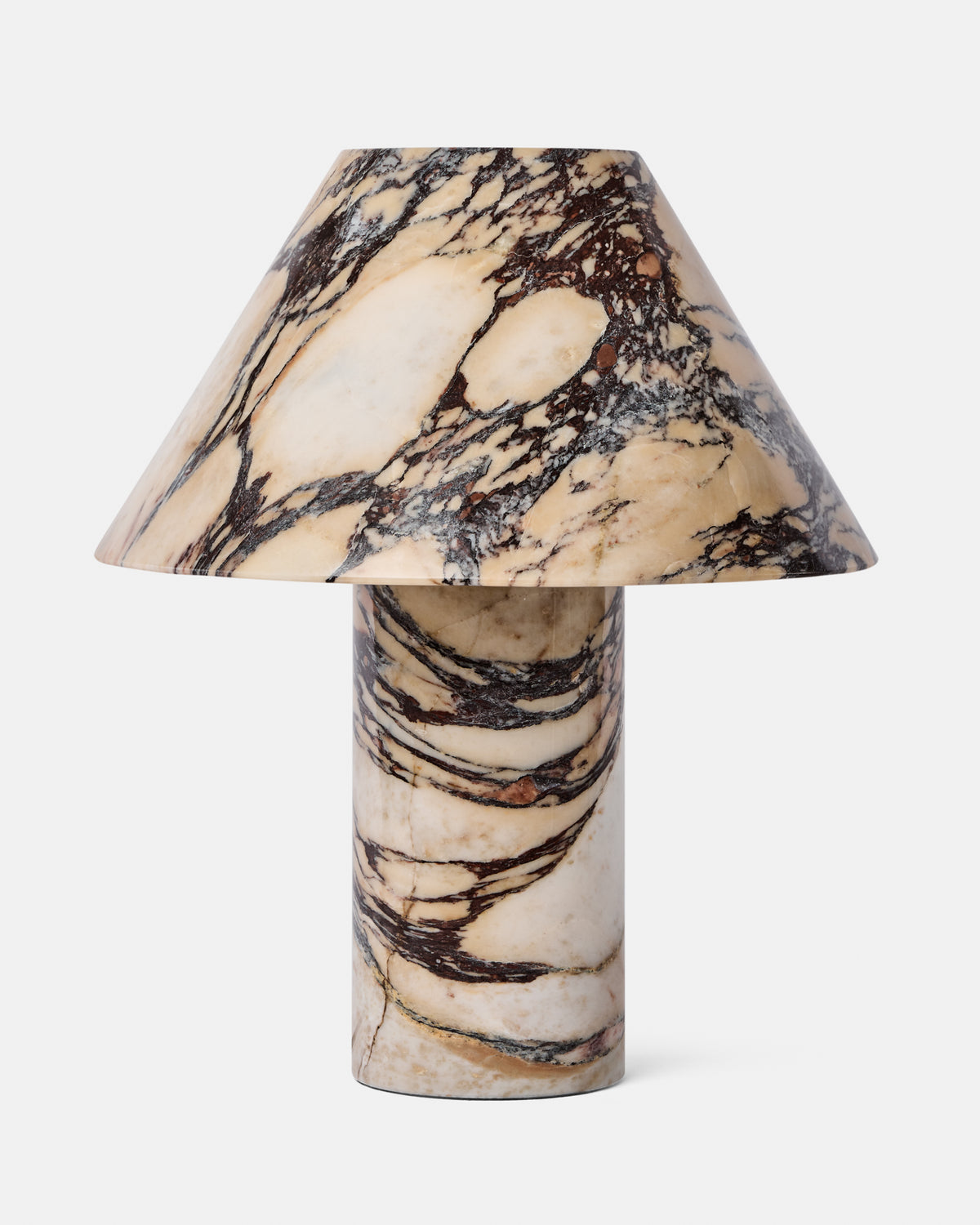
Calacatta Viola
Origin: Italy
Care instructions
Clean with a soft, slightly damp cloth and dry thoroughly afterwards. Avoid acidic or abrasive products and harsh cleaning agents, as these may affect the polished surface. If needed, use only mild, pH-neutral cleaners suitable for natural stone. Avoid prolonged contact with liquids.
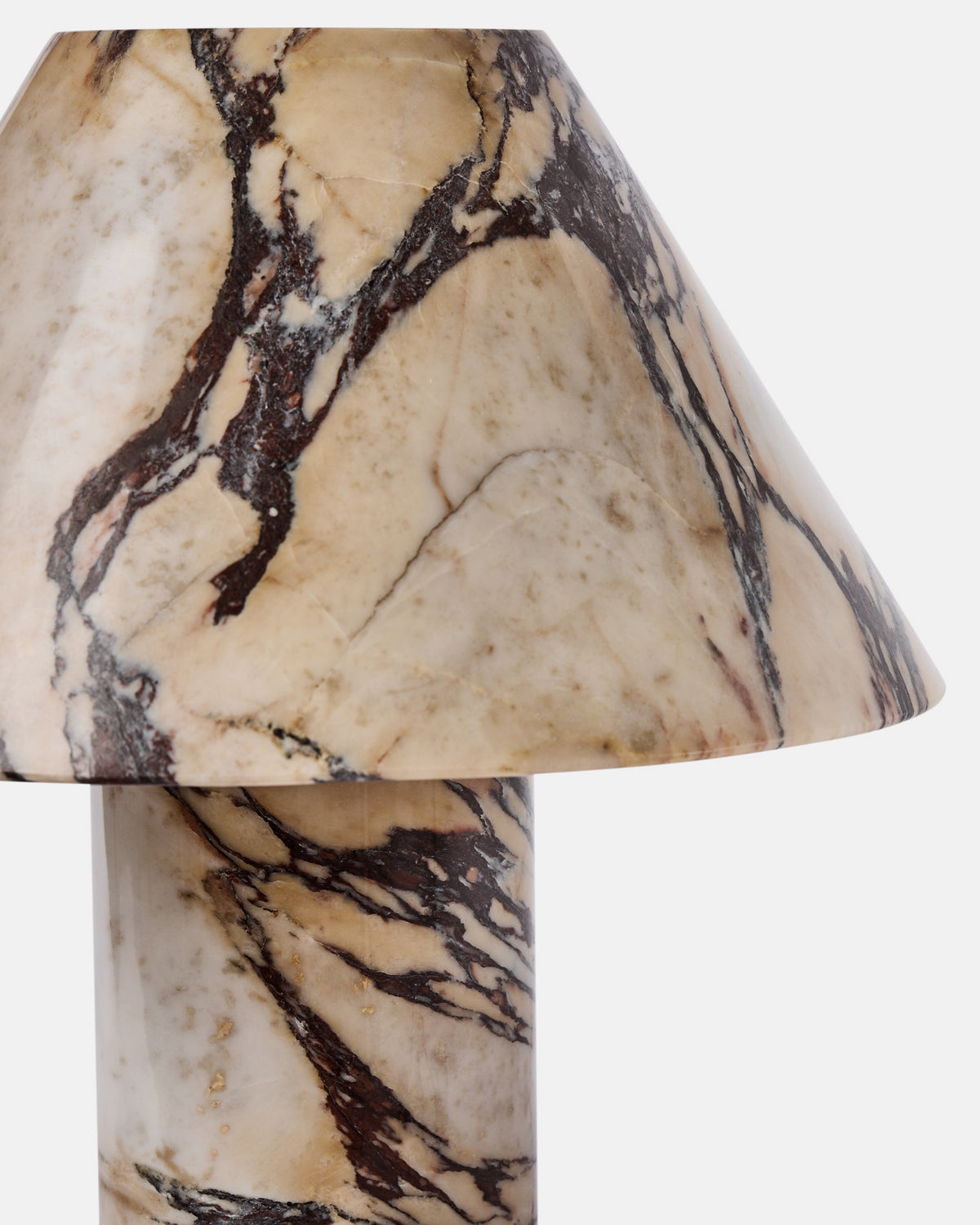
Natural markings, veining, and tonal variation are characteristic of the stone.
Natural markings, veining, and tonal variation are characteristic of the stone.
Calacatta Viola originates exclusively from the Apuan Alps in northern Tuscany, Italy. Its ivory-white background is crossed by distinctive veins and brecciated formations in burgundy, violet and deep wine tones, sometimes accompanied by softer shades of grey and gold. The intensity and composition vary considerably from one section of stone to another, making each piece immediately individual. Its geographical origin is fundamental to its identity: true Calacatta Viola is an Italian marble from this specific area of the Apuan Alps. Stones from other origins may share a similar appearance, but they are not the same material.
The geological formation of Calacatta Viola dates back around 200 million years, when layers of marine limestone accumulated on the floor of an ancient sea. During later movements of the Earth’s crust, immense heat and pressure transformed the limestone into marble through metamorphism. Iron- and manganese-bearing mineral components contributed to the remarkable colors within its structure: warmer iron-rich tones appear in the burgundy and deep red areas, while manganese is associated with the characteristic violet and purple hues. These colors are part of the stone itself, formed naturally within the marble rather than applied to its surface.
The history of Calacatta Viola reaches far beyond contemporary interiors. Historically associated with Breccia Medicea, the violet-veined marble was used in Italy as early as Roman times and later became closely connected with the Medici family during the Renaissance. Under Cosimo I de’ Medici, the stone was used prominently in Florence, including the Medici Chapels, Palazzo Pitti and the Cathedral of Santa Maria del Fiore.
Centuries later, Calacatta Viola remains one of Italy’s most distinctive marbles. Its limited availability and highly variable pattern mean that no two blocks reveal exactly the same composition. Once used to give character to some of Florence’s most important interiors, the stone continues to appear in architecture, furniture and sculptural objects today, connecting its remarkable geological origin with a long history of Italian art and design.
The geological formation of Calacatta Viola dates back around 200 million years, when layers of marine limestone accumulated on the floor of an ancient sea. During later movements of the Earth’s crust, immense heat and pressure transformed the limestone into marble through metamorphism. Iron- and manganese-bearing mineral components contributed to the remarkable colors within its structure: warmer iron-rich tones appear in the burgundy and deep red areas, while manganese is associated with the characteristic violet and purple hues. These colors are part of the stone itself, formed naturally within the marble rather than applied to its surface.
The history of Calacatta Viola reaches far beyond contemporary interiors. Historically associated with Breccia Medicea, the violet-veined marble was used in Italy as early as Roman times and later became closely connected with the Medici family during the Renaissance. Under Cosimo I de’ Medici, the stone was used prominently in Florence, including the Medici Chapels, Palazzo Pitti and the Cathedral of Santa Maria del Fiore.
Centuries later, Calacatta Viola remains one of Italy’s most distinctive marbles. Its limited availability and highly variable pattern mean that no two blocks reveal exactly the same composition. Once used to give character to some of Florence’s most important interiors, the stone continues to appear in architecture, furniture and sculptural objects today, connecting its remarkable geological origin with a long history of Italian art and design.
Calacatta Viola
Explore the collection
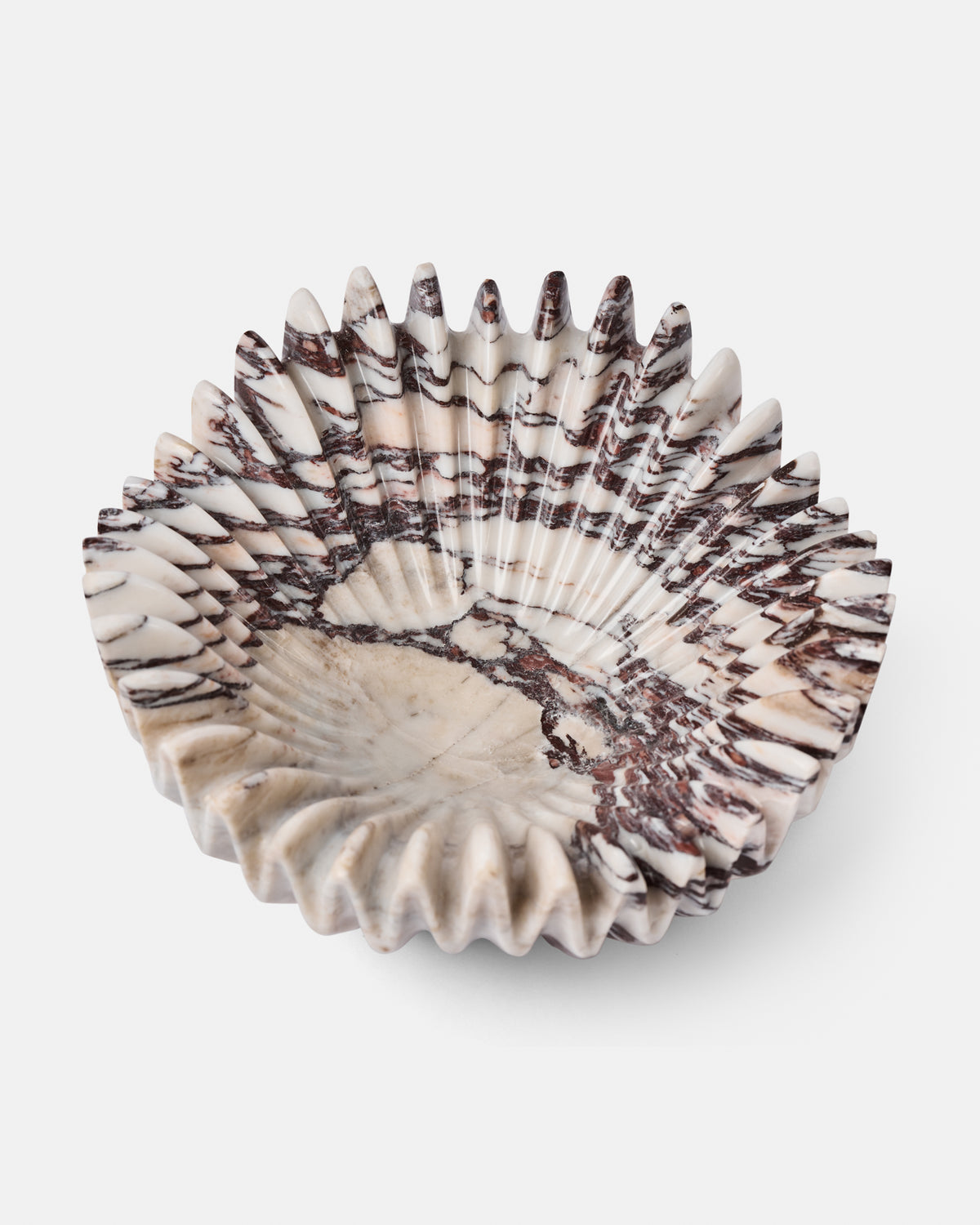
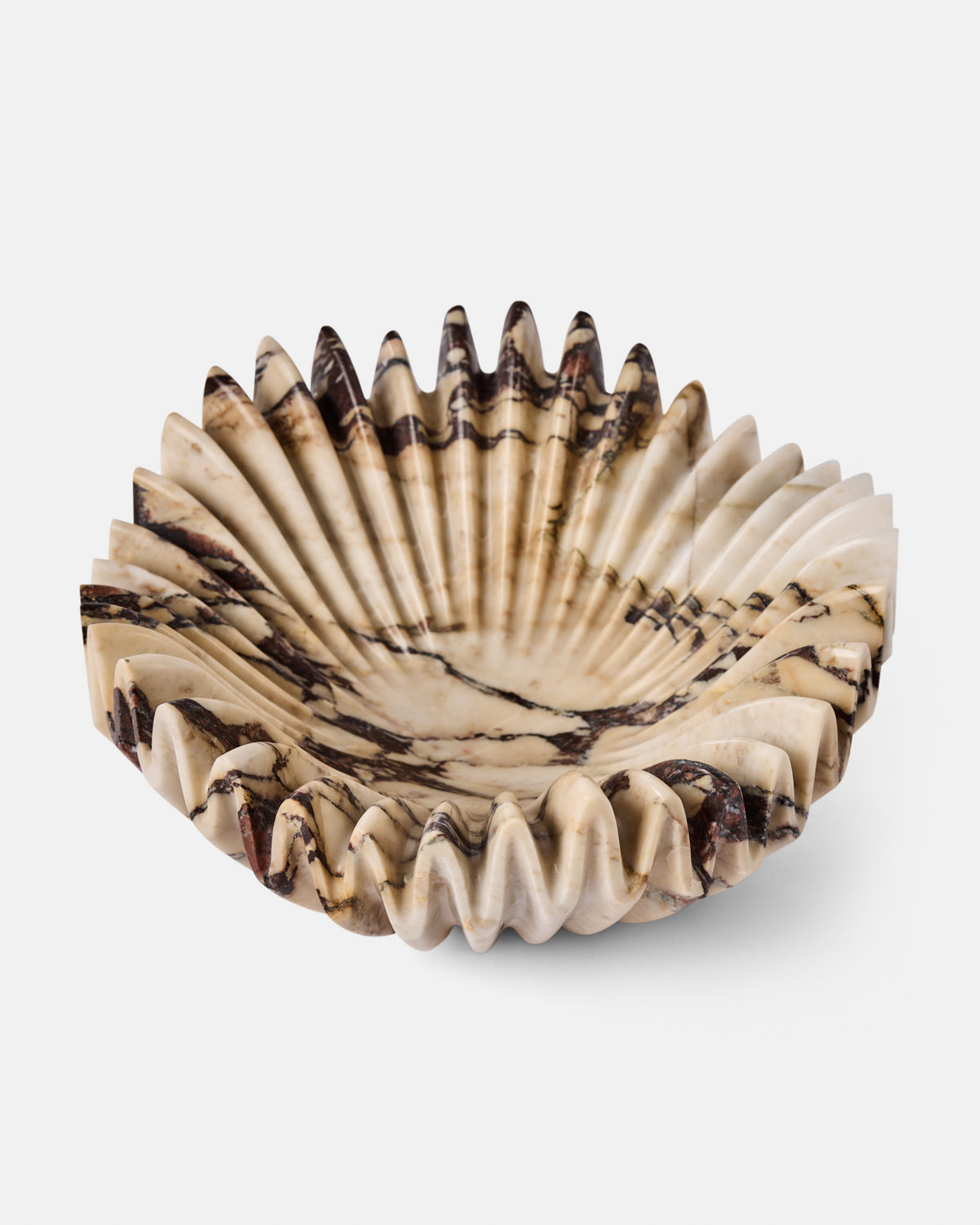
Marena Bowl
Sale priceFrom CHF 2,260.00
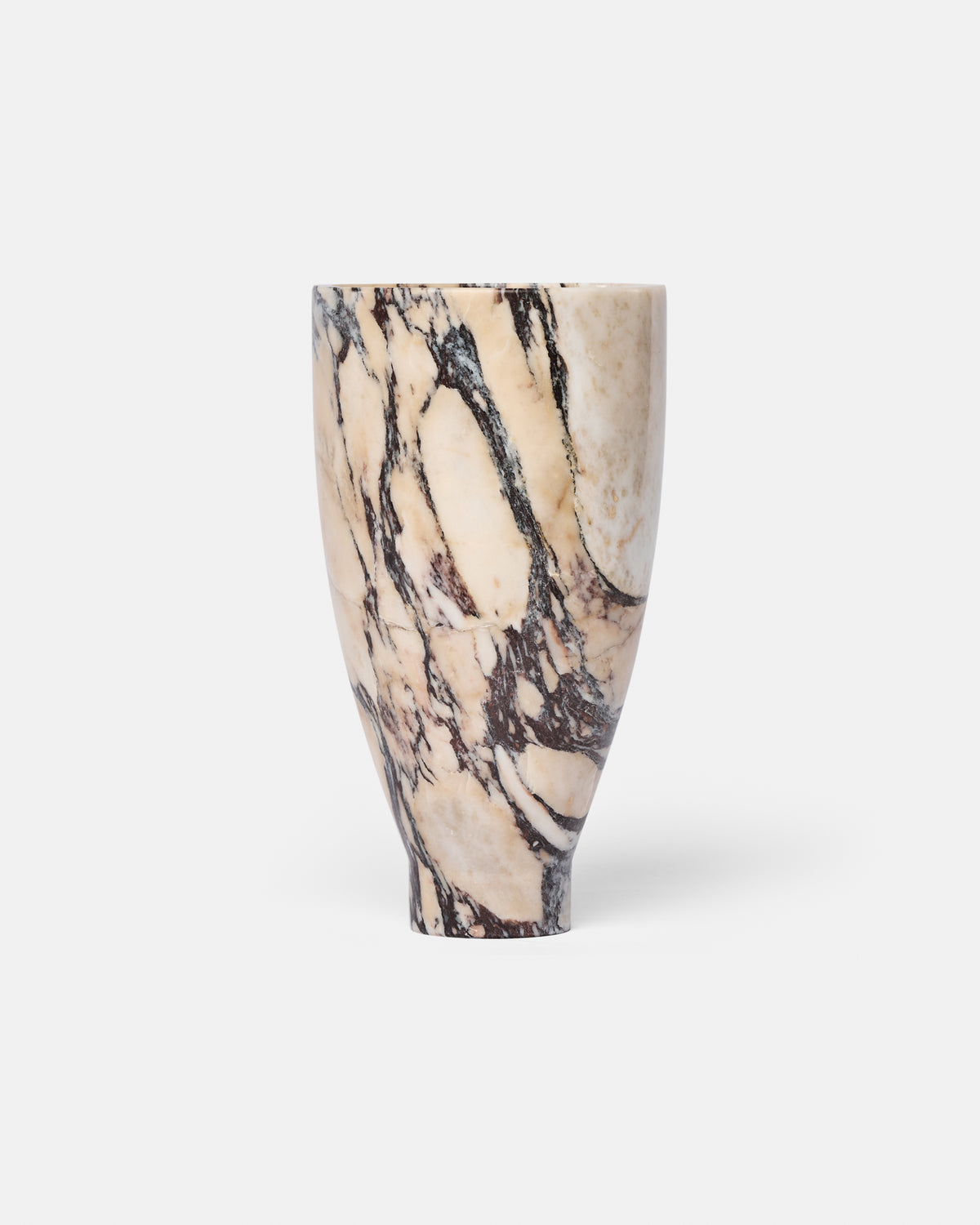
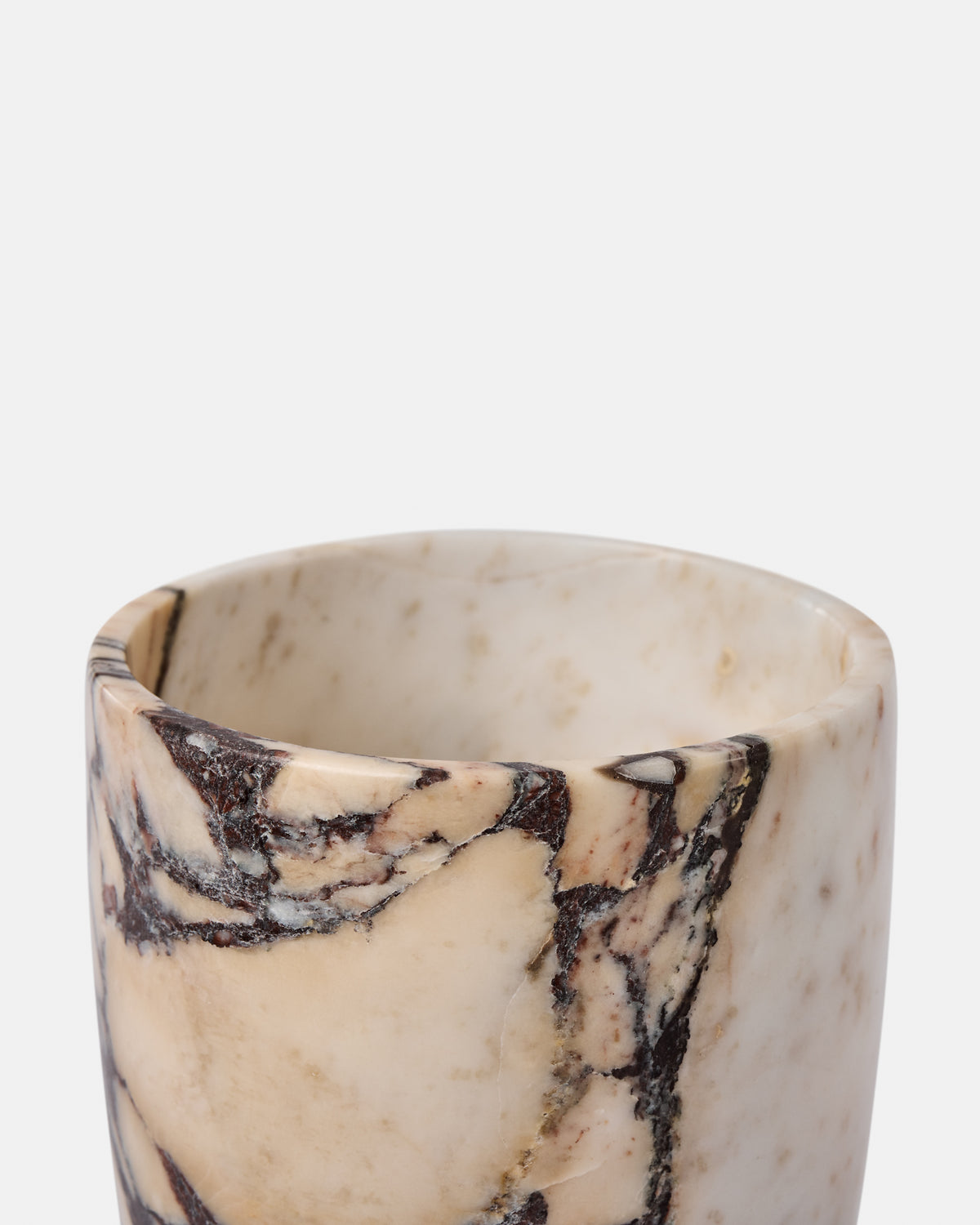
Aveline Vase
Sale priceCHF 1,280.00
Totem Lamp
Sale priceCHF 3,850.00